Description
Description
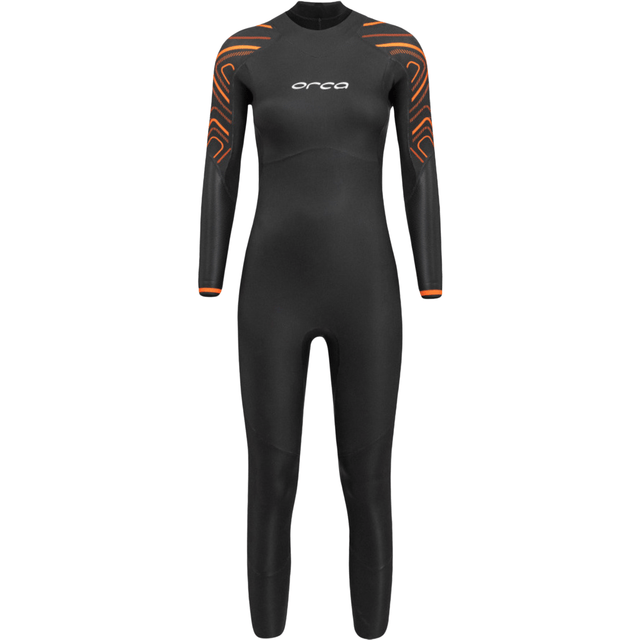
The Orca Vitalis Thermal is an open-water wetsuit built for cold water, using panels up to 4.5 mm thick with a Thermal X inner lining and a hood with a Batwing neoprene layer across the back. It is the warmest suit in Orca's open-water range.
Who it's for
Open-water swimmers in genuinely cold water — winter ocean swimming, alpine lakes, and anyone who stops enjoying a swim because of the cold rather than the distance.
It is not a racing suit. The thickness that keeps you warm costs flexibility, and for training in mild water the Vitalis TRN is the better swim.
Buoyancy and flexibility
Warmth comes from three things working together: panels up to 4.5 mm, a Thermal X inner lining, and a hood with a Batwing — an extra layer of neoprene across the back that cuts the flow of cold water against your skin.
Those thick torso panels also make it highly buoyant, though Orca describe the overall balance as neutral. Elasticity is protected with 39+ and 39FS neoprene at the shoulders and underarms, where a thick suit would otherwise restrict the stroke.
Water temperature range
Orca do not publish a temperature range, and an invented figure on a cold-water wetsuit is a safety claim rather than a detail. What is known is that this is the warmest suit Orca make for open water — thicker than the TRN at 3 mm and far warmer than the Vitalis Light.
Getting the size right
Orca size on height, weight and chest together, and all three have to work — a suit that fits your chest but is too long in the torso will pool water at the shoulders. If you fall between sizes, go by torso length first.
It should feel tight to the point of awkward when dry. Neoprene loosens in the water, and a suit that feels comfortable in the shop is a suit that will flush cold water through it in the surf.
Looking after neoprene
Rinse in fresh water after every swim, salt or chlorine, and dry it in the shade — UV kills neoprene faster than use does. Hang it folded over a wide hanger at the waist rather than by the shoulders, which stretches them out over a season. Never wring it, and never leave it in a hot car.
Specifications
Specifications
-
Material
-
Type
-
Thickness
-
Weight
-
Care guide
-
Chest
-
Height