Description
Description
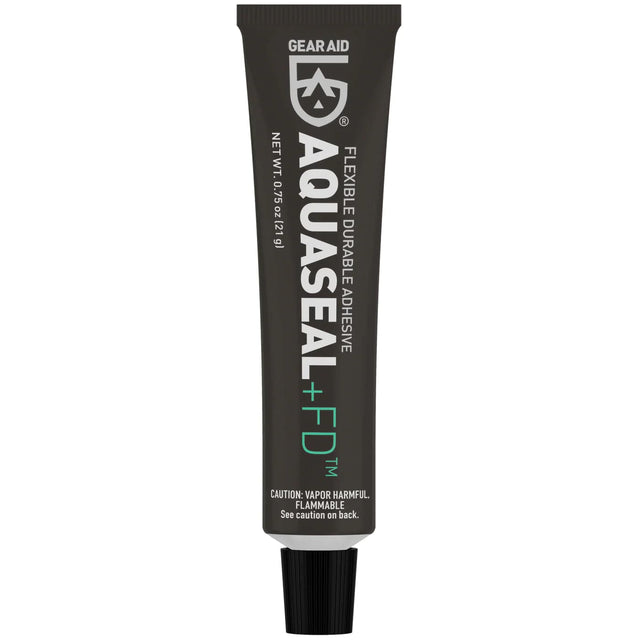
Gear Aid Aquaseal +FD is a clear urethane repair adhesive in a 21 g tube, made for gear that bends and stretches: waders, wetsuits, drysuits, rain jackets and sleeping mats. It cures into a tough, flexible rubber that moves with the fabric, so a tear you glue on the kitchen bench this week is still sealed when you are waist deep in the Thredbo River.
What it fixes
- Rips, tears and holes in neoprene, rubber, nylon, canvas and vinyl.
- Pinhole leaks in breathable waders and drysuits, including GORE-TEX.
- Punctures in sleeping mats and other inflatables.
- Weeping seams on waders and paddling gear.
- High-wear spots that need a hard-wearing, abrasion-resistant skin.
Once cured, the repair handles use from -29 to 82 °C, which covers a frosty start in the Snowies and a wetsuit drying in the Queensland sun. For tent seams we'd hand you Seam Grip WP, which is thinner and brushes along stitching more easily. Aquaseal +FD is not food-grade, so keep it for gear and away from hydration bladders.
How to use it
- Pull on disposable gloves. Clean the area with isopropyl alcohol and let it dry. On rubber, vinyl and other non-fabric surfaces, scuff it lightly with sandpaper first.
- Hunting a leak? Spray the area with soapy water, watch for bubbles or a dark spot, mark it, then rinse and dry.
- Back a hole or tear with masking tape on the inside.
- Spread a thin layer over a tear, or fill a hole, taking the adhesive 13 mm past the damage on every side.
- Lay the gear flat and leave it for 8 to 12 hours.
Work somewhere between 16 and 38 °C with some humidity in the air. Gear Aid Cure Accelerator brings the cure down to about 2 hours when the trip is tomorrow. For a sleeping mat, let the adhesive set for about 30 minutes, press a Tenacious Tape patch over it, then give it the full 8 to 12 hours before you inflate.
Shelf life and storage
A part-used tube keeps far longer in the cold. Push the adhesive up to the neck, wipe the thread clean, put a small piece of foil over the opening and screw the cap on over it. Seal the tube in a plastic bag and store it in the freezer until the next repair.
Specifications
Specifications
-
Color
-
Material
-
Type
-
Weight
-
Compatibility
-
Length
-
Height
-
Width
-
Temperature range